






1. Risks in equity transfer
(1) Risks arising from irregular forms
1. No written equity transfer agreement has been signed
Generally speaking, equity transactions are relatively important and complex, so it is necessary to enter into a written agreement to clarify the rights and obligations of both parties to the equity transaction in the agreement to achieve the purpose of reducing disputes. However, in actual transactions, there will be the following two forms of irregular equity transfer:
-
The two parties reached an agreement on the equity transaction through oral agreement alone. This type of risk is that if one party regrets it, it is difficult for the other party to prove that it has reached an agreement to transfer equity. The oral agreement is not strong in binding the two parties, and it is difficult to ensure the smooth progress of the equity transfer.
-
The resolution of the shareholders' meeting included the content of equity transfer, and did not sign an independent equity transfer agreement. This kind of risk lies in the fact that the resolution of the shareholders' meeting is an internal behavior of the company, which only indicates that the company's shareholders have reached an agreement, but lacks the goal of equity transfer. Confusing the boundaries between shareholders' meeting resolutions and equity transfer agreements will lead to unnecessary disputes.
2. Signing the equity transfer agreement without authorization
In practice, there will be situations where the equity transfer agreement is signed by others. Once a dispute arises, the party who does not agree to continue the equity transfer will argue that the signing of the agreement is not the true expression of its own or the other party's true intention, and claim that the equity transfer agreement is invalid.
3. Sign a "yin-yang contract" type equity transfer agreement
The two parties to the equity transaction signed two equity transfer agreements, and the prices agreed in the agreement were different. This usually happens because the parties to the transaction have the purpose of tax avoidance and deliberately register the contract with the industrial and commercial registration department with a lower price. This kind of behavior may occur in which the equity transferee claims to perform the equity transfer agreement with a low agreed amount, thereby reducing its equity transfer fee. The two parties had a dispute as a result.
(2) Risks arising from irregular content
The equity transfer agreement omits the main clauses of the equity transfer agreement, such as the amount of equity transfer money, payment method and time, change registration processing time, and liability for breach of contract, or the agreement is unclear or unclear. In this case, it is very easy to have disputes over the performance standards and even whether the agreement is reached.
(3) Risks arising from the failure to investigate the underlying equity
1. The subject equity is the joint property of the husband and wife
According to Article 1062 of the Civil Code of the People's Republic of China:
The following property obtained by the husband and wife during the marriage relationship shall be the joint property of the husband and wife and shall be jointly owned by the husband and wife:
(1) wages, bonuses, and labor remuneration;
(2) Income from production, operation, and investment;
(3) Income from intellectual property rights;
(4) Inherited or gifted property, except as provided in Article 1063, item 3 of this Law;
(5) Other property that should be jointly owned.
Husband and wife have equal rights to dispose of common property.
During the existence of the co-ownership relationship, if some co-owners dispose of the common property without authorization, it is generally deemed invalid. Therefore, if the equity is the joint property of the husband and wife, such equity transfer may cause hidden dangers to the transaction if it is not properly disposed of.
2. There is a pledge of the underlying equity
According to Article 443 of the Civil Code:
以基金份额、股权出质的,质权自办理出质登记时设立。基金份额、股权出质后,不得转让,但是出质人与质权人协商同意的除外。出质人转让基金份额、股权所得的价款,应当向质权人提前清偿债务或者提存。
一旦标的股权已被出质,如果未经质权人同意,会导致股权转让协议无效。
3. 标的股权的出资有瑕疵
由于股权受让方前期未对标的股权做调查,在后期履行时发现标的股权存在出资不足,甚至抽逃出资的情形,会影响标的股权的价值。而且对此情形的受让方救济手段有严格限制,比如无权要求股东补全出资、无权扣留部分股权转让款、无权据此主张股权转让协议无效。
(四)忽视公司股东优先购买权产生的风险
依照 《中华人民共和国公司法》第七十一条规定:
有限责任公司股东向股东以外的人转让股权,应就股权转让事项书面通知其他股东,并征得其他股东过半数同意。经股东同意转让的股权,在同等条件下,其他股东有优先购买权。
在签订股权转让协议之前,转让方未履行上述规定义务,可能会导致协议无效。
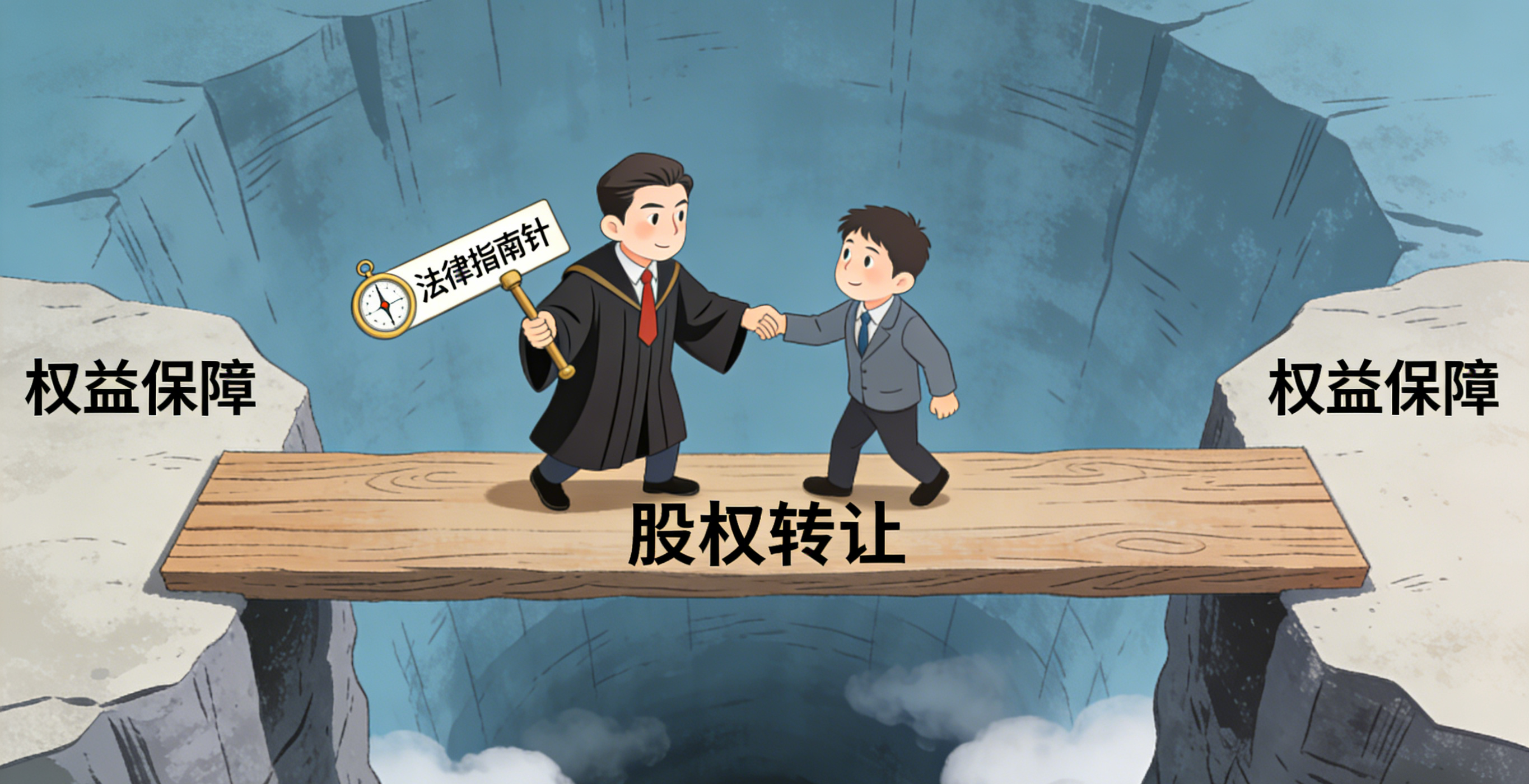
二、防范建议
(一)针对形式不规范产生风险的规避建议
-
签署书面的股权转让协议,重视单独的股权转让协议订立,股东会决议并非万能宝典。
-
如非必要,不要让他人代替自己签署股权转让协议,如果需要他人代替签署,建议出具完整的授权委托书。
-
股权转让协议一定要合法合规,双方只订立一份股权转让协议,并及时去工商部门登记。
(二)针对内容不规范产生风险的建议
交易双方在订立股权转让协议时,对协议的重要条款应当约定明确,避免产生分歧。建议至少明确以下内容:
-
股权转让款数额 -
支付方式与时间 -
变更登记办理时间 -
违约责任
(三)对标的股权未作调查产生风险的规避建议
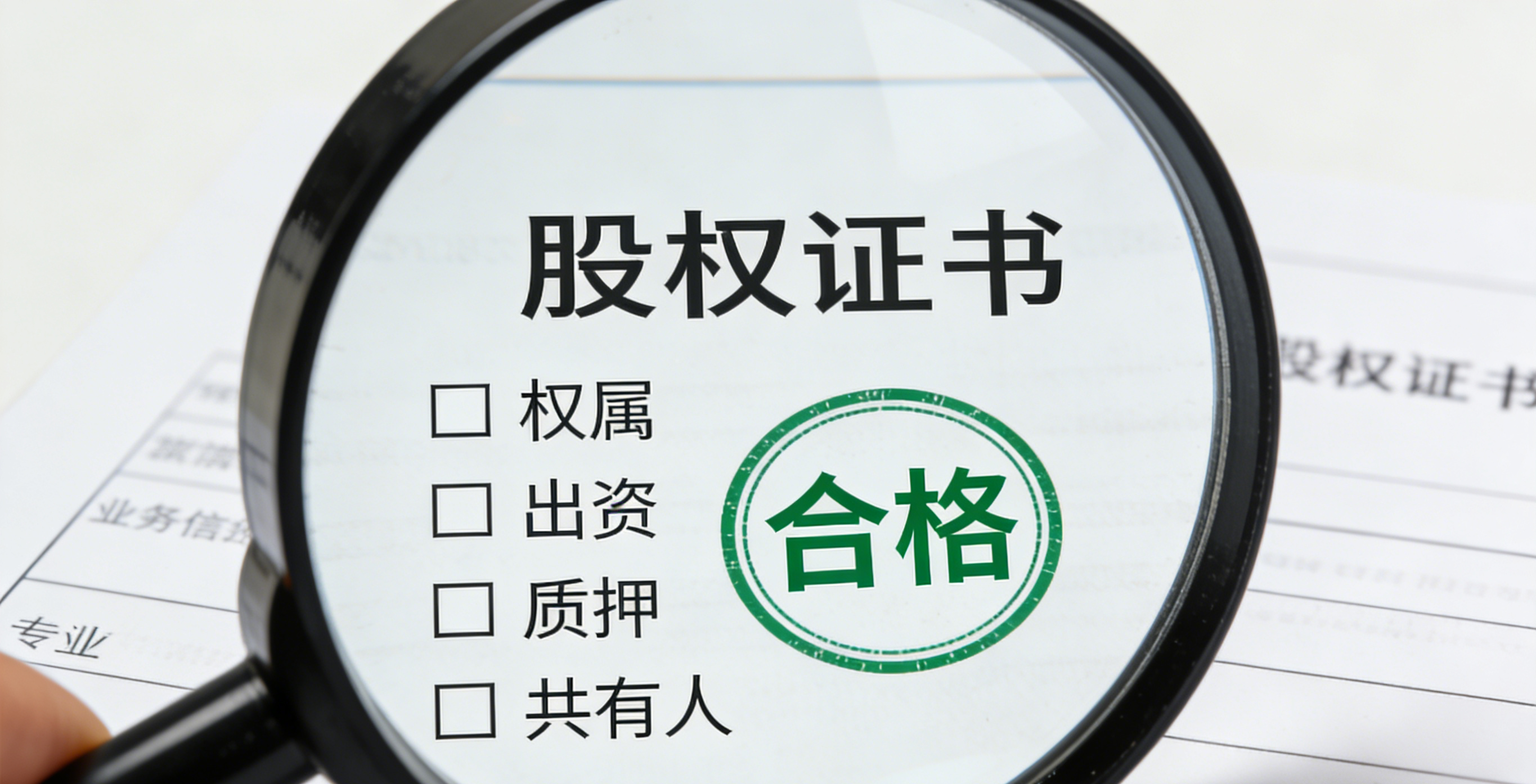
在签订股权转让协议前,应对标的股权做充分的调查,确定:
-
标的股权并非夫妻共同财产(或已取得共有人同意) -
出资完整,不存在出资不足或抽逃出资情形 -
不存在股权出质情形(或已取得质权人同意)
确保标的股权权属清晰完整,不存在分歧与争议。
(四)忽视公司股东优先购买权产生风险的规避建议
在进行股权转让时应当履行合法程序,保障公司股东的知情权与优先购买权:
-
书面通知其他股东股权转让事项 -
征得其他股东过半数同意 -
尊重其他股东的优先购买权
-
总结
股权转让对于交易双方来说是一个颇为复杂的过程,容易出现种种风险。为了保证双方的合法权益,以及推动股权转让协议顺利履行,在签订股权转让协议之前建议聘请专业律师对标的股权进行全面多维度法律尽职调查,以规避以上风险,维护自身合法权益。
-
- The Shareholder's Capital Contribution Period Interest After the Case Is Finalized
One of the distinctive features of China's Company Law is the implementation of the registered capital system, and at the same time the implementation of the subscribed registered capital system, under normal circumstances, shareholders enjoy the benefits of their subscribed capital contributions, and do not have the current capital contribution obligation for subscribed capital contributions that have not expired.202023-04 -
- Risks and Prevention Suggestions in the Company's Equity Transfer
Generally speaking, equity transactions are relatively important and complex, so it is necessary to enter into a written agreement to clarify the rights and obligations of both parties to the equity transaction in the agreement to achieve the purpose of reducing disputes. However, in actual transactions, there will be the following two forms of irregular equity transfer:202023-03