






The Fuzhou Zhao Yu case, which sparked great public attention, had its results on February 21, 2019: In the early morning of February 21, Fuzhou Public Security issued a notice stating that the People's Procuratorate of Jin'an District, after examination, believed that Zhao's behavior was legitimate defense, but exceeded the necessary limits, causing serious injuries to the victim Li. Considering Zhao's actions to stop illegal infringement, in order to promote social justice and encourage acts of bravery, and based on the comprehensive factual evidence of the case, a decision not to prosecute Zhao has been made. Li was placed under residential surveillance at a designated location by the public security organs on February 19th on suspicion of committing the crime of illegal intrusion into a residence. The public security organs will take corresponding legal measures based on his condition, and the case is under further investigation.
For this "urgent" and contradictory handling decision, it is obviously not very satisfactory: except for Zhao Yu and his defense lawyer who stated that they would carefully study the case file and appeal for innocence, the comments on the internet are almost one-sided, believing that the handling result of Jin'an District Prosecutor's Court is not fair, and some even believe that this case, like the previous Nanjing Pengyu case, will trigger a major moral setback in Chinese society.
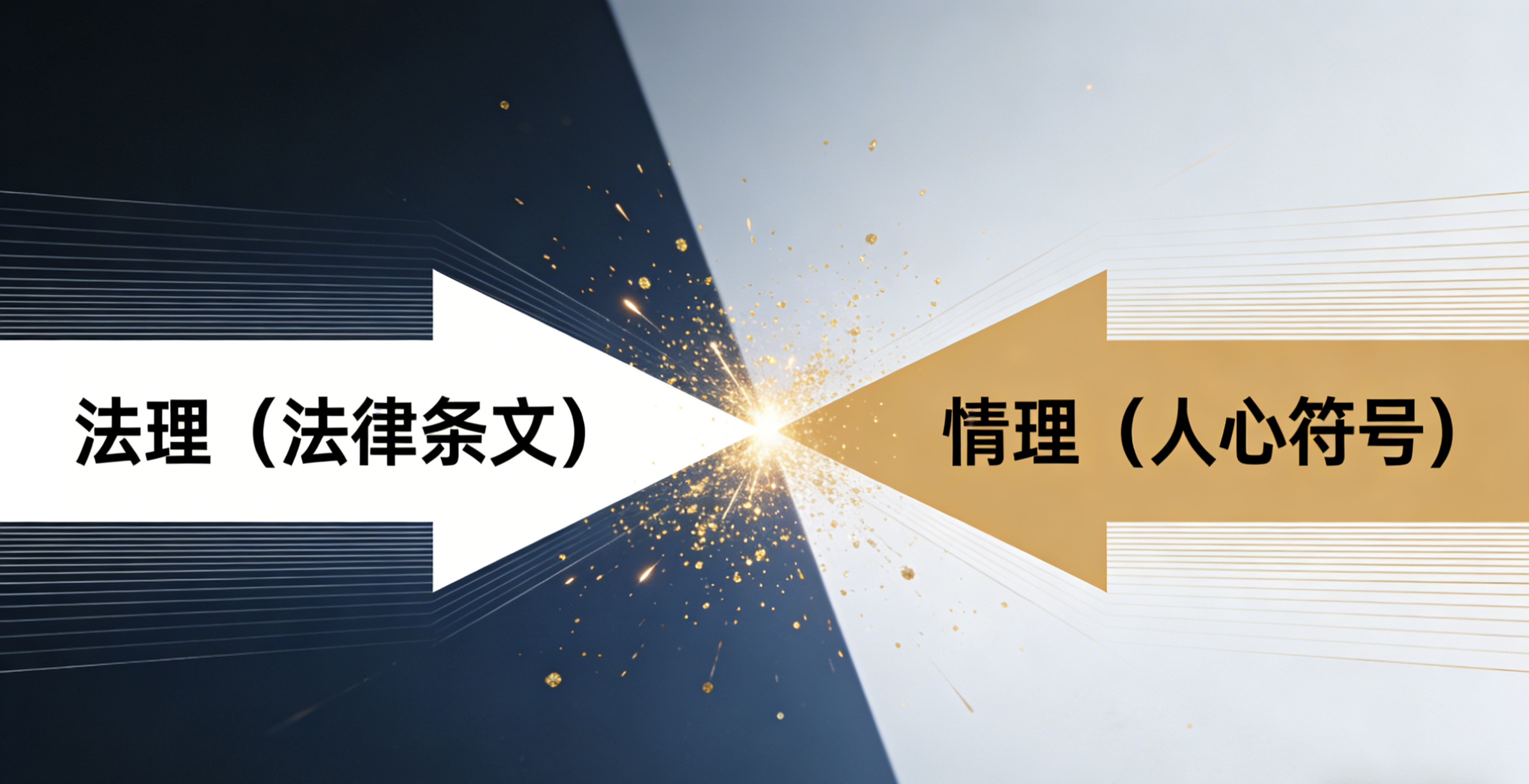
The conflict between legal principles and reason
The reason for such a serious decision that does not conform to the legal concept of the people is, in my opinion, due to the failure of the Jin'an District Procuratorate to handle the relationship between legal principles and reason.
Referring to the fact that Chinese courts absorb ordinary citizens as jurors in the trial of cases, jurors and judges try cases together, balancing the legal thinking of professional judges with the common law concept of non legal professionals, so as to achieve a good effect of the unity of legal theory and reason in the court's trial results. The procuratorate may also adopt the system of people's jurors in the examination of some cases.
The actual "trial" function undertaken by the procuratorate
My personal suggestion is that China's procuratorates actually undertake a part of the "trial" function:
(1) The decision-making power of compulsory measures
The procuratorate has the power to impose compulsory measures such as bail pending trial, residential surveillance, and arrest that restrict or partially restrict personal freedom on citizens, and residential surveillance and arrest can also be used to offset the sentence. This is actually exercising some of the court's jurisdiction.
(2) Right to decide not to sue
The procuratorate has the right to decide whether to not initiate a public prosecution because the suspect is completely innocent, the evidence is insufficient, and there is doubt, which is equivalent to a trial to determine whether the suspect is guilty to some extent.
The necessity of introducing the people's jury system into the procuratorate
It is necessary to adopt the system of people's jurors in the actual exercise of some court trial powers by the procuratorate in our country:
-
Similar to the decision of declaring the suspect innocent, there will be no dispute about it; -
But the reason why the Fuzhou case of "stopping illegal infringement and resisting criminal detention" has sparked such controversy is precisely because the decision of the procuratorate is actually a guilty decision.
In cases where the prosecutor's office decides not to prosecute due to doubts, adopting the people's jury system may ultimately result in a decision that is more in line with the facts of the case and more in line with the legal concepts and understanding of the people than a decision made solely by the prosecutor's office.
-
- What have we all Experienced in 2025
Standing at the intersection of the conclusion of the 14th Five-Year Plan and the start of the 15th Five-Year Plan, 2025 outlines the future with the brush of the rule of law. The Fourth Plenary Session of the 20th Central Committee of the Communist Party of China set the tone for the next five years, the official implementation of the Private Economy Promotion Law has given private enterprises a "reassurance pill", and the Public Security Administration Punishment Law has undergone its first major revision in nearly 20 years.212026-01 -
- Interpretation of the Building Law of the People's Republic of China
Legal Provisions:Article 19: Construction projects shall be awarded through bidding in accordance with law, and direct contracting may be adopted for those not suitable for bidding.312025-03