






In the summer of 2008, China successfully hosted the 29th Summer Olympic Games, and in 2022, China will welcome a new Olympic event - the 24th Winter Olympic Games. The Beijing Winter Olympics features 7 events including ice skating, skiing, bobsleigh, bobsleigh, ice hockey, curling, and biathlon, with a total of 15 sub events and 109 sub events. In recent years, ice and snow sports have become increasingly popular among young people. This Winter Olympics is not only a stage for ice and snow athletes from all over the world to showcase their personal skills and bring glory to the country, but also destined to be a carnival for businesses and self media to attract young consumer groups.
Whether from the perspective of communication (important events) or advertising design (Winter Olympics elements), this Winter Olympics will be an excellent opportunity for businesses and self media to promote themselves. Against the backdrop of the country's increasing emphasis on intellectual property protection and the growing value of goodwill for enterprises, businesses and self media are easily harmed by intellectual property infringement when promoting and advertising through the Winter Olympics. The common infringement behaviors are as follows:

1、 Customized Winter Olympics peripherals
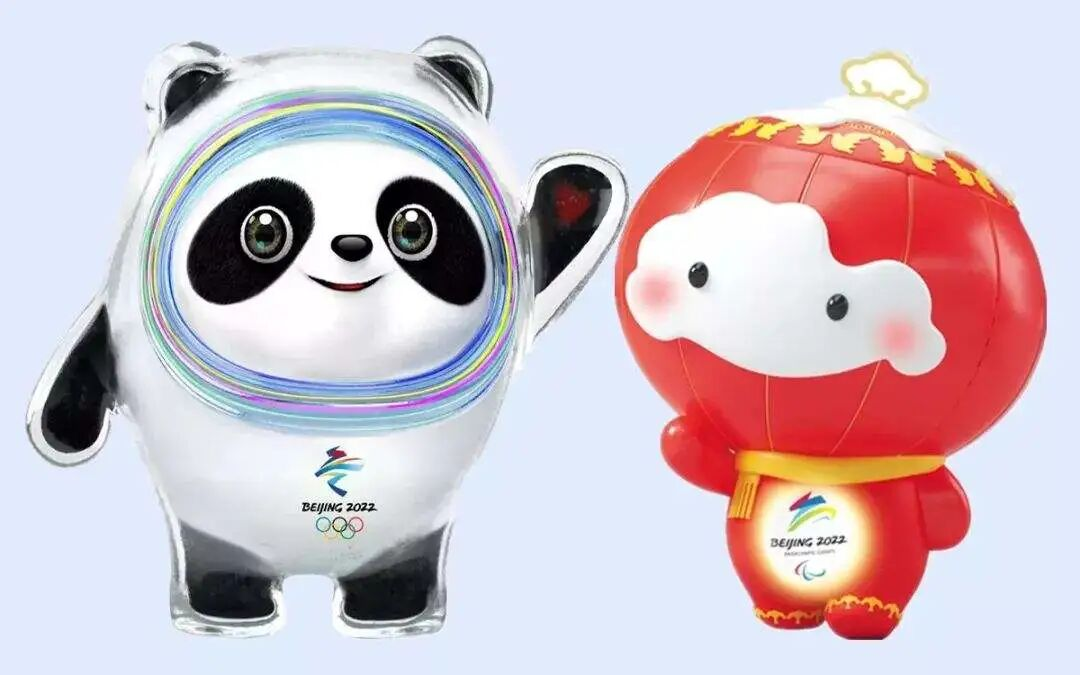
The Winter Olympics emblem, mascots, medal designs, and other designs immediately caught everyone's attention upon their debut, which has also inspired many businesses to produce merchandise related to the Winter Olympics, such as personalized customized Winter Olympics mascots and commemorative T-shirts, all of which involve infringement of Olympic intellectual property rights.
2、 Malicious trademark registration
In recent years, it has been common to register trademarks under the names of Olympic champions. For example, after the 2020 Summer Olympics, the names of Olympic champions such as Quan Hongchan, Yang Qian, and Su Bingtian were applied for trademark registration. This not only constitutes malicious trademark registration, but also infringes on the legitimate rights and interests of athletes such as their name rights.
3、 Utilize Winter Olympics logo elements for advertising design and promotion
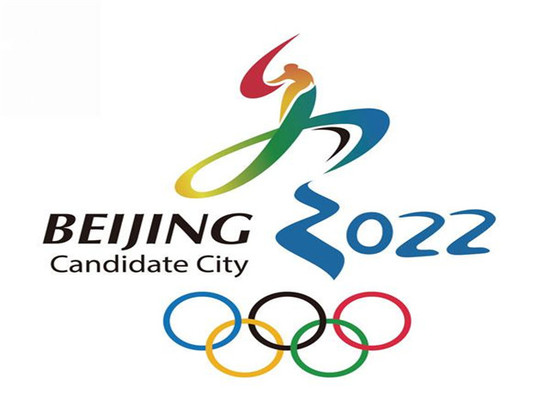
In addition to obvious infringement behaviors such as unauthorized merchants combining Winter Olympics logo elements with products for advertising design and promotion, there are also some hidden behaviors. Merchants often have a lucky mentality, such as using the banner of non-commercial activities to display the words "non sponsoring enterprises helping the Winter Olympics", making product recommendations, displaying non sponsoring enterprise names or products, etc. These also involve infringement of Olympic intellectual property rights.

Legal Basis
Article 4 of the Regulations on the Protection of Olympic Symbols stipulates that the owner of the Olympic Symbols shall have exclusive rights to the Olympic Symbols in accordance with this Regulation. Without the permission of the owner of the Olympic symbol, no one is allowed to use the Olympic symbol for commercial purposes.
Article 5 stipulates that the use for commercial purposes referred to in these Regulations refers to the use of the Olympic symbol for profit in the following ways: (1) using the Olympic symbol on goods, commodity packaging or containers, and commodity trading documents; (2) Using the Olympic emblem in service projects; (3) Using the Olympic emblem in advertising, commercial exhibitions, commercial performances, and other commercial activities; (4) Selling, importing, and exporting goods containing the Olympic logo; (5) Manufacturing or selling Olympic symbols; (6) Other acts of using the Olympic symbol for profit.
Article 9 of the Trademark Law of the People's Republic of China stipulates that a trademark applied for registration shall have prominent features, be easy to identify, and shall not conflict with the legitimate rights previously obtained by others.
Article 52 of the Copyright Law of the People's Republic of China stipulates that unauthorized use, alteration, or plagiarism of another person's work without the permission of the copyright owner shall be subject to civil liability such as cessation of infringement, elimination of impact, apology, and compensation for losses. According to Article 54, if the above-mentioned infringement constitutes a crime, criminal responsibility shall be pursued in accordance with the law.
Article 57 of the Trademark Law of the People's Republic of China stipulates that: using a trademark identical to the registered trademark on the same goods without the permission of the trademark registrant; Using a trademark similar to its registered trademark on the same product, or using a trademark identical or similar to its registered trademark on similar products, which can easily lead to confusion; Selling goods that infringe upon the exclusive rights of a registered trademark; Falsifying or manufacturing registered trademark logos of others without authorization, or selling forged or manufactured registered trademark logos, are all acts of infringing on trademark exclusive rights.
According to Article 61, the administrative department for industry and commerce has the right to investigate and punish those who infringe upon the exclusive right to use a registered trademark in accordance with the law; Those suspected of committing crimes shall be promptly transferred to judicial organs for lawful handling.
-
- What have we all Experienced in 2025
Standing at the intersection of the conclusion of the 14th Five-Year Plan and the start of the 15th Five-Year Plan, 2025 outlines the future with the brush of the rule of law. The Fourth Plenary Session of the 20th Central Committee of the Communist Party of China set the tone for the next five years, the official implementation of the Private Economy Promotion Law has given private enterprises a "reassurance pill", and the Public Security Administration Punishment Law has undergone its first major revision in nearly 20 years.212026-01 -
- Interpretation of the Building Law of the People's Republic of China
Legal Provisions:Article 19: Construction projects shall be awarded through bidding in accordance with law, and direct contracting may be adopted for those not suitable for bidding.312025-03