






Spring recruitment and autumn recruitment is a key window period for enterprises to recruit talents, HR is busy screening resumes, interviews, and making offers, and it is easy to ignore the fact that recruitment is not only the "entrance" of human resource management, but also a high-incidence area of legal risks. Many companies did not realize until they received a summons or administrative penalty notice that the mine planted in the recruitment process was originally carried by the entire company.
Combined with the typical cases and judicial adjudication rules recently issued by the human resources and social security department, this article sorts out the common problems in the recruitment process and provides compliance suggestions that can be implemented.
1. The "pit" of job advertisements: false publicity and employment discrimination
In order to attract talents, companies often package salaries and career prospects in recruitment advertisements. However, once the packaging crosses the red line, it becomes "false propaganda".
Practical case: A human resources company published false recruitment information in its name without the entrustment of a technology company to attract job seekers to apply. After joining the company, job seekers found that the promised "monthly salary of 7,500 yuan, air-conditioned room, five insurances and one housing fund" was completely inconsistent with the reality. In the end, the local human resources and social security department ordered it to delete the information within a time limit and compensate the job seeker for the losses.
The more common risk is "employment discrimination". When a company screens resumes on a recruitment platform, it directly rejects job seekers with "Henan people" as an inappropriate reason. The job seeker filed a lawsuit, and the court finally found that the behavior constituted employment discrimination and violated the equal employment rights of job seekers, and ordered the company to publicly apologize and compensate for mental compensation.
Lawyer's analysis: According to the Employment Promotion Law and the Civil Code, employers treat employers differently based on "pre-assignment factors" (such as gender, region, age, household registration) that are not necessarily related to the "inherent requirements of the job", which lacks legitimacy. Once employment discrimination is constituted, enterprises may not only face administrative penalties, but also fall into a crisis of public opinion.
Compliance Advice:
-
Recruitment postings should focus on "self-acquired factors" - education, experience, skills, and avoid setting restrictive conditions that are not related to the position. -
The salary and benefits should be realistic, and the promised salary structure and benefits should be fulfilled after joining the company to avoid disputes caused by the inconsistency between the post-employment treatment and the advertisement.

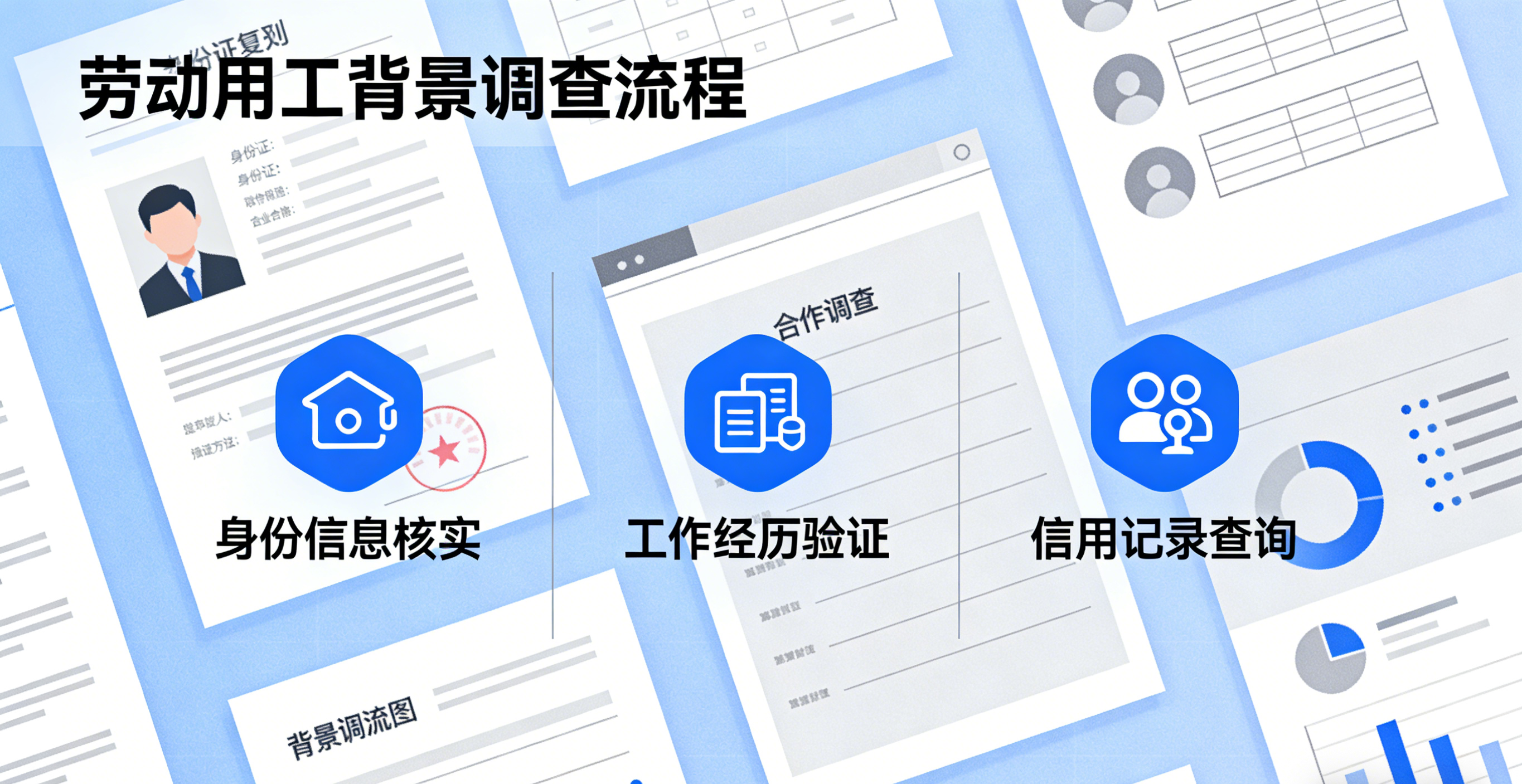
2. The "degree" of background checks: privacy boundaries and compliance procedures
Background checks have become a routine part of recruitment, but some companies or background check agencies have "used too much force" and touched the legal red line.
Practical case: Mr. Zhang resigned from his original position after receiving an offer letter from a company, but the company refused to hire him because of his litigation record (Mr. Zhang was the plaintiff in the rights protection lawsuit). Although the background check company later corrected the results, the company still refused to accept it. The court finally ordered the company to compensate Mr. Zhang for the loss of 13,200 yuan.
What's more, some institutions initiate background checks without authorization, excessively digging into job seekers' litigation records, personal credit investigations, marriage and love situations, and even workplace "scandals", and using information unrelated to occupation as the basis for hiring.
Lawyer's analysis: The Personal Information Protection Law establishes the principles of "legality, legitimacy, and necessity", and the right of enterprises to know employees is strictly limited to information "directly related to labor contracts". Non-occupation-related litigation records, personal credit reports, etc. are sensitive personal information, and if misused without separate authorization, it may not only constitute an infringement of the right to equal employment, but also face infringement lawsuits.
Compliance Advice:
-
Pre-authorization: The background check must be explicitly authorized by the job seeker in writing or electronically before the investigation is carried out, and the purpose, scope and method of the investigation must be informed. -
Scope limitation: The scope of the investigation should be limited to content directly related to job competence, such as the verification of academic qualifications and the authenticity of work experience, and avoid excessive collection of private information such as marriage and childbearing and non-professional litigation records. -
Third-party supervision: If a third-party background check agency is entrusted, the enterprise needs to fulfill its supervision obligations. For negative reports issued based solely on a single subjective evaluation, cross-verification should be conducted to avoid joint infringement due to the acceptance of false information
Epilogue
Recruitment is not a simple "look at resume and make an offer". From publishing advertisements to background checks, every step can hide the risk of making companies pay legal costs. Only by keeping the bottom line of compliance at the recruitment entrance can we lay a solid foundation for subsequent employment management. It is recommended that corporate HR and legal personnel review the existing recruitment process and establish a standardized compliance review mechanism - this is not only respect for job seekers, but also for the protection of the enterprise itself.
-
- Studying 627 Labor Dispute Cases, I Found the Three Most Dangerous Employment Methods for Enterprises
Many bosses think: Labor disputes occur by chance. But when I systematically studied 627 labor dispute cases (second-instance judgments), I found a very cruel fact:The vast majority of companies lose lawsuits not because the law is complicated, but because they have used some high-risk employment methods for a long time.162026-03 -
- Enterprise Probationary Compliance Employment Guidebook Manual
The probationary period is a key inspection period in the initial stage of labor relations, and its legal regulation not only gives enterprises the right to inspect the suitability of employees, but also sets strict boundary requirements.102026-02