






Growing Pains: Technological Control Rights vs. Capital Returns, a Conflict on the Brink of Eruption
In 2018, a small and medium-sized tech enterprise focused on artificial intelligence R&D was in a critical period of rapid expansion. The company held three independently developed algorithm patents; its technical team worked day and night on research, and the marketing team was expanding market reach — yet an internal conflict brought its development to an abrupt halt.
Irreconcilable Demands from Two Sides
-
Technical Team:Hoped to stabilize core members through equity incentives to prevent technical gaps caused by brain drain -
Early Investors:Worried that equity dilution would affect investment returns and demanded sufficient protection in equity distribution
The core of the conflict was: the technical team sought control rights and incentives, while investors pursued returns and protection. Their differences led to a standstill in Series A financing; prospective investors held back their capital, and the company's development fell into a deadlock.
Industry Insight: Equity Logic of Technology-Driven Enterprises
After receiving the commission, the equity design team of our firm did not rush to propose a solution, but first conducted an in-depth analysis of the special laws of the artificial intelligence industry:
Three Key Characteristics of AI Enterprises
-
Technology-Driven:Core value stems from algorithms and talents; the stability of the technical team determines the survival of the enterprise -
Rapid Iteration:The cycle of technological leadership is short, requiring continuous incentives to keep the team innovative -
Capital Dependence:High R&D investment and long return cycles require continuous capital support
Based on these insights, the team established the core philosophy of the solution design: To protect the technical team's control rights and incentives while meeting investors' return expectations and exit protection needs.
Innovative Solution: Three Pillars of the "Dynamic Equity Pool"
1. Three-Tier Equity Structure: Everyone Gets Their Due
The team designed a "dynamic equity pool" plan, dividing 100% of the equity into three tiers:
| Equity Tier | Proportion | Recipient | Core Design |
|---|---|---|---|
| Founding Team Equity | 60% | Founding team members | One-time confirmation of rights to protect technical control |
| Technical Backbone Option Pool | 20% | Core technical backbones | 4-year vesting period, 5% vesting each year |
| Investor Release Equity | 20% | Early investors | Released in five phases based on investment years |
This structure achieved "three confirmations": confirming rights (founding team control), confirming incentives (backbones have prospects), and confirming returns (investors have predictability).
2. Equity Vesting Mechanism: Clear Rules for Entry and Exit
To address the risk of founding team members leaving, the plan set a clear equity repurchase mechanism:
-
Repurchase Price:Calculated as "vested period × net asset value" -
Applicable Scenarios:Founder's voluntary resignation, resignation due to fault, accidental incidents, etc.
This mechanism not only protects the legitimate rights and interests of resigning personnel but also prevents equity from being lost to those who no longer contribute value.
3. Performance Betting Clauses: Dynamic Adjustment
To align the equity structure with the enterprise's development stage, the plan set a three-year performance betting standard:
-
Assessment Indicator:Annual revenue growth rate -
Trigger Threshold:Below 30% -
Adjustment Mechanism:Initiate equity adjustment procedures to re-evaluate the contributions and shareholding ratios of all parties
This design deeply binds the equity structure to enterprise growth, avoiding structural rigidity caused by a "once and for all" setup.
Negotiation Breakthrough: Five Rounds of Negotiations, Backed by Data
Solution design was only the first step; getting all parties to accept and sign was the real test. Our firm's team organized five rounds of tripartite negotiations, with the core strategy: Using visual charts to unpack the future.
Visual Simulation
The team created a five-year equity dilution roadmap and revenue model to visually demonstrate:
-
Technical Team:To what extent will equity be diluted? Can control be maintained? -
Investors:What are the revenue expectations? Is the exit path clear? -
Dynamic Adjustment:How will the equity structure change under different performance scenarios?
These charts transformed abstract legal clauses into a visual future landscape, significantly reducing communication costs.
Two Core Innovative Clauses
Addressing the core concerns of both sides, the team designed two innovative clauses during negotiations:
"Dual-Class Shares" to Protect Technical Control
Each share held by the founding team has 3 voting rights, ensuring control over major matters even after equity dilution. This design met the technical team's demand for control without touching investors' economic rights and interests.
"Liquidation Preference" to Protect Investor Exit
In exit scenarios such as liquidation or mergers and acquisitions, investors have the right to priority distribution of proceeds. This clause eliminated investors' concerns about exit returns and became the key to finalizing the agreement.
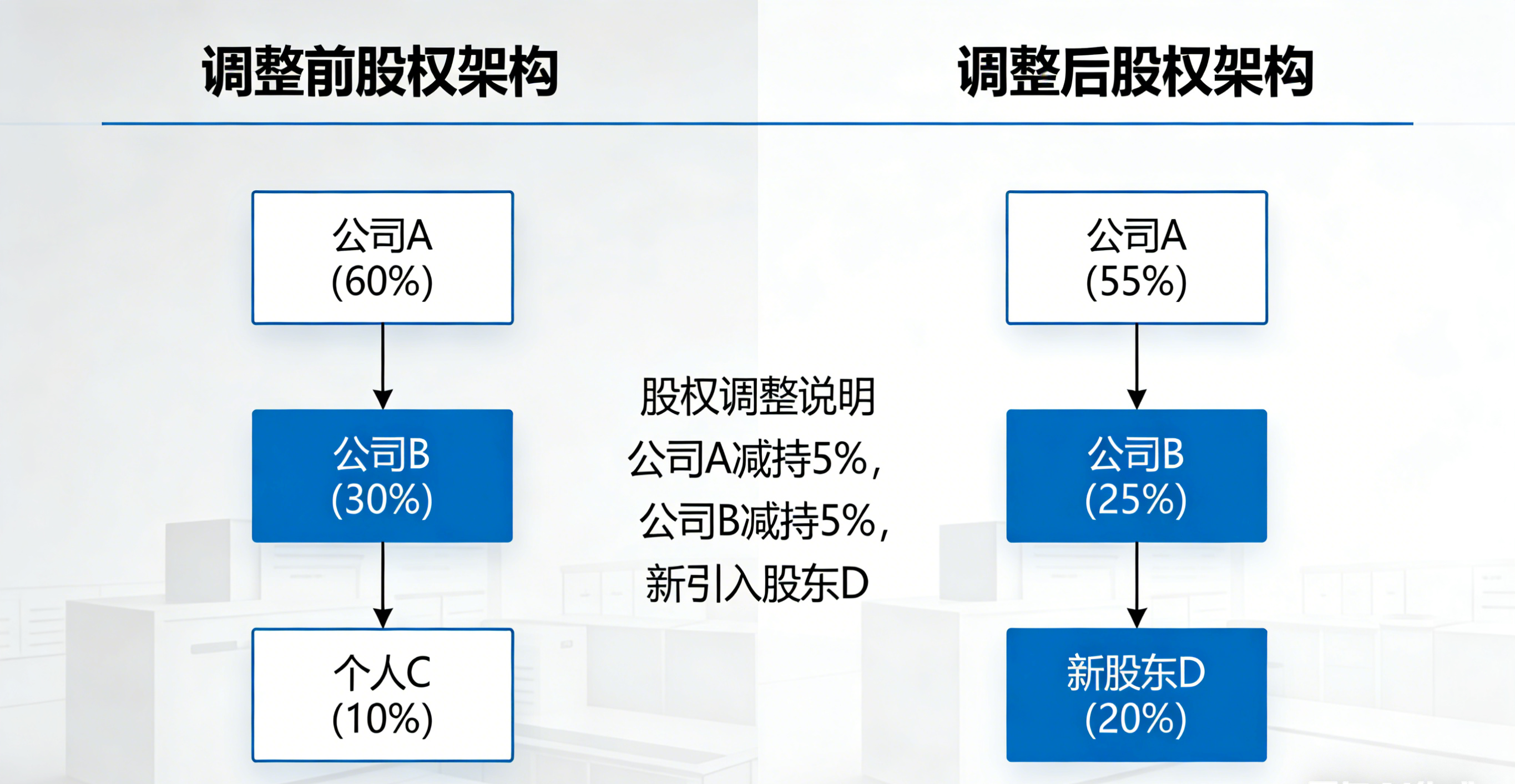
Outcome Implementation: Conflict Resolved, 50 Million RMB Series A Financing Secured
After five rounds of negotiations, all parties finally signed the "Equity Adjustment Agreement". This months-long equity restructuring brought immediate results:
-
Internal Conflict Resolved:Disputes between the technical team and investors were resolved institutionally, and the team refocused on business operations -
Series A Financing Restarted:Three months later, the enterprise successfully completed 50 million RMB Series A financing -
Valuation Jumped:The clear equity structure was highly recognized by investors, and the valuation exceeded expectations
-
- Cross-border Contract Restructuring Recovers Massive Losses for Foreign Trade Companies
small and medium-sized textile fabric export enterprise (hereinafter referred to as "our client") has been deeply engaged in the EU market for many years, mainly engaged in the export of cotton, linen and chemical fiber fabrics, with an annual export volume of about 12 million US dollars.182025-12 -
- Environmental Compliance Renovation Revitalizes Chemical Enterprises
A small and medium-sized fine chemical enterprise was ordered to suspend production for rectification by the environmental protection department due to excessive waste gas emissions, facing a daily fine of 20,000 yuan.292025-10