






Investment Stalemate: Strategic Agreement Signed, but Industrial and Commercial Change Halted
In 2020, an auto parts manufacturing enterprise focusing on precision processing of new energy vehicle battery casings was at a critical juncture of capital operation. A strategic investor specializing in auto industry chain investment, after multiple rounds of due diligence and negotiations, finally decided to inject 120 million yuan into the enterprise and signed a formal investment agreement.
However, after the signing of the agreement, the industrial and commercial change procedures could not be advanced for a long time. The root cause of the problem lies in the enterprise's articles of association - this basic document that has been in use for many years has many ambiguous areas in the eyes of strategic investors:
-
Lack of Criteria for Identifying Related Transactions: There are no clear definitions of what constitutes a related transaction, how to approve it, and who has the authority. -
Unclear Authority Between the Board of Directors and the Shareholders' Meeting: The boundary between matters decided by the Board of Directors and those to be submitted to the Shareholders' Meeting is vague. -
Governance Structure Mismatched with Investors' Demands: Investors hope to add independent director seats to the Board of Directors, but the articles of association do not stipulate relevant procedures.
If the articles of association are not revised in a timely manner, the 120 million yuan strategic investment will not be able to land, and the enterprise's long-accumulated listing expectations will come to naught.
Professional Intervention: Align with the Latest Regulations and Precisely Respond to All Parties' Demands
Upon receiving the enterprise's entrustment, the company governance team of our firm quickly launched a special project for revising the articles of association. The team established three core principles: "align with regulations, respond to demands, and reserve interfaces":
-
Align with Regulations: Review each clause against the latest revised provisions of the Company Law and the regulatory requirements of the China Securities Regulatory Commission to ensure compliance. -
Respond to Demands: Balance the interests of original shareholders and strategic investors, and transform commercial demands into compliant clauses. -
Reserve Interfaces: Proactively set up relevant mechanisms to reserve institutional space for the enterprise's future mergers and acquisitions, restructuring, and capital operations.
Core Revisions: Three Key Improvements
1. Implementation of the Independent Director System
In response to the strategic investors' request to add independent director seats to the Board of Directors, the team clearly stipulated in the articles of association:
-
Nomination Procedure: Only shareholders holding more than 15% of the shares may jointly nominate candidates for independent directors. -
Professional Background Requirements: The independent directors shall include one professional with experience in the automotive industry. -
Scope of Duties: Clarify the special powers of independent directors in matters such as related transactions and major decisions.
This design not only meets the investors' governance demands but also ensures the substantive performance ability of independent directors through nomination thresholds and professional requirements.
2. Optimization of Approval Authority for Related Transactions
The original articles of association had no clear provisions on related transactions, which not only posed compliance risks but also affected decision-making efficiency. The team designed a hierarchical approval authority:
| Transaction Type | Approval Level | Prequalification Procedure |
|---|---|---|
| Single transaction ≤ 5 million yuan and annual cumulative ≤ 20 million yuan | Approved by the Board of Directors | No prequalification by the Audit Committee required |
| Single transaction > 5 million yuan or annual cumulative > 20 million yuan | Approved by the Board of Directors | Must be submitted to the Audit Committee for prequalification and a written opinion issued first |
| Extraordinary major related transactions | Approved by the Shareholders' Meeting | Related shareholders shall abstain from voting |
This design delegates the approval authority of daily related transactions to the Board of Directors, improving decision-making efficiency, and at the same time ensuring controllable risks of major transactions through amount thresholds and the Audit Committee's prequalification mechanism.
3. Mechanism for Dissenting Shareholders' Appraisal Right
To reserve an institutional interface for the enterprise's possible future mergers, acquisitions and restructuring, the team proactively added a clause on "dissenting shareholders' appraisal right":
-
Triggering Conditions: When the enterprise undergoes major events such as merger, division, or sale of major assets. -
Subject of Rights: Shareholders who voted against the resolution at the Shareholders' Meeting. -
Remedy Method: May request the company to purchase their equity at a reasonable price. -
Pricing Mechanism: If the two parties fail to reach an agreement on the price, a third-party appraisal institution may be entrusted to determine it.
This mechanism not only protects the legitimate rights and interests of minority shareholders but also removes institutional obstacles for the enterprise's subsequent capital operations.
Professional Ingenuity: Word-by-Word Review of 37 Clause Changes
Revising the articles of association is a meticulous task that allows for no carelessness. The team of our firm conducted a word-by-word review of each modification and prepared a "Comparison Table for Amendment of Articles of Association":
-
Original Clause: Clearly display the content before revision. -
Revised Clause: Clearly display the revised expression. -
Legal Basis: Mark the provisions of laws and regulations on which each modification is based. -
Business Logic: Explain the business considerations and demands of all parties behind the modification.
This comparison table not only became an important reference for the enterprise's internal decision-making but also played a positive role in the subsequent filing with market regulatory authorities, helping approval personnel quickly understand the intention of the modifications.
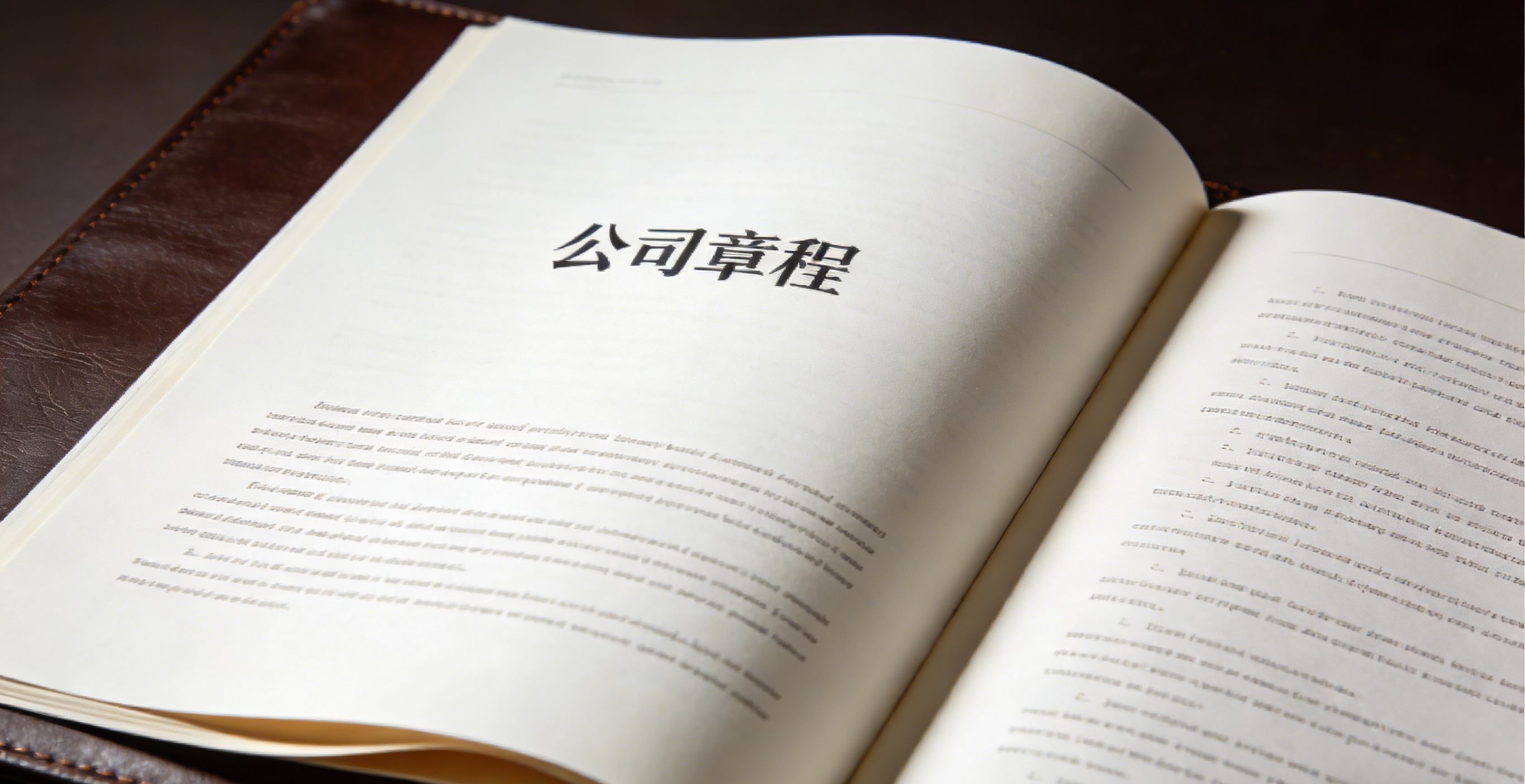
Intelligent Transformation: From "Veto Right" to "Unanimous Consent Clause"
During the negotiation process, strategic investors once proposed a "veto right" requirement - that is, having the right to veto specific matters. This arrangement is understandable commercially, but if directly written into the articles of association, it may conflict with the mandatory provisions of the Company Law on the powers of the Shareholders' Meeting.
After careful research and judgment, the team creatively transformed it into a "unanimous consent clause for major matters":
-
Applicable Matters: Clearly list the list of major matters requiring unanimous consent (such as amending the articles of association, increasing or reducing registered capital, merging or dividing, etc.). -
Subjects Bound: Both strategic investors and the founding team are bound. -
Legal Compliance: It not only meets the investors' risk control needs but also does not violate the mandatory provisions of the Company Law.
This transformation reflects the deep integration of legal professional wisdom and commercial understanding.
-
- Cross-border Contract Restructuring Recovers Massive Losses for Foreign Trade Companies
small and medium-sized textile fabric export enterprise (hereinafter referred to as "our client") has been deeply engaged in the EU market for many years, mainly engaged in the export of cotton, linen and chemical fiber fabrics, with an annual export volume of about 12 million US dollars.182025-12 -
- Environmental Compliance Renovation Revitalizes Chemical Enterprises
A small and medium-sized fine chemical enterprise was ordered to suspend production for rectification by the environmental protection department due to excessive waste gas emissions, facing a daily fine of 20,000 yuan.292025-10