






Introduction
The brand reputation of a jewelry enterprise is being quietly eroded by its own franchisees.
In early 2023, a well-known jewelry enterprise received consecutive consumer complaints from multiple regions: the "brand" jewelry purchased had quality problems such as fading and falling diamonds, which were significantly different from the products sold in counter stores. After verification, the source of the problem was traced to three franchise stores — they arbitrarily used trademark logos similar to those of the headquarters and privately purchased inferior products from unauthorized channels to pass off as genuine products for sale.
In the same month, the sales volume of the brand's directly-operated stores decreased by 18% year-on-year, and the brand reputation suffered a heavy blow.
I. Evidence Collection: Locking Infringement Facts with Evidence Chain
After the franchise legal team of our firm intervened, a special task force was immediately set up to rush to the locations of the involved stores to carry out on-site evidence collection work.
-
Notarized Purchase: Under the witness of a notary public, purchased suspected infringing products as ordinary consumers, recorded the whole process on video and sealed the samples; -
On-site Evidence Preservation: Conducted all-round shooting of all promotional materials such as store signs, light box advertisements, and cash register logos; -
Traceability and Comparison: Sent the purchased products and genuine products for inspection, confirmed the differences in materials and craftsmanship, and formed a written appraisal report.
A complete chain of evidence laid a solid foundation for subsequent negotiations and litigation.
II. Negotiation: 2 Franchisees Took the Initiative to Seek Reconciliation and Compensated 280,000 Yuan
After the completion of evidence collection, the team sent lawyer's letters to the 3 franchise stores simultaneously, and clearly put forward three requirements in accordance with the "Trademark Use Norms" clause in the "Franchise Contract":
-
Remove all infringing logos within 7 days; -
Immediately remove unauthorized products from shelves; -
Compensate the brand for economic losses caused by the breach of contract.
Faced with conclusive evidence, 2 of the franchise stores took the initiative to contact for negotiation. The team assisted the enterprise in formulating a "one store, one policy" rectification plan:
-
Replace compliant store signs and remove infringing light boxes; -
Destroy infringing promotional materials and packaging supplies; -
Make up the brand management fee and sign a commitment letter for standardized operation.
In the end, the two parties reached a settlement. The two franchise stores compensated the enterprise for economic losses totaling 280,000 yuan and promised to accept quarterly inspections in the follow-up.
III. Litigation: Resolutely Protect Rights Against Those Who Refuse to Rectify
The remaining 1 franchise store had a tough attitude and refused to communicate. The team resolutely filed a lawsuit with the court, claiming 500,000 yuan in infringement compensation.
During the court trial, our party submitted three categories of core evidence:
-
Right Evidence: Trademark registration certificate, brand authorization letter; -
Breach of Contract Evidence: Physical infringing products, notarization certificates, on-site photos, appraisal reports; -
Damage Evidence: Consumer complaint records, sales decline data of directly-operated stores in the same period.
After trial, the court determined that the franchise store constituted trademark infringement and breach of contract, ordered it to immediately stop the infringement, and compensate the enterprise for economic losses of 120,000 yuan.
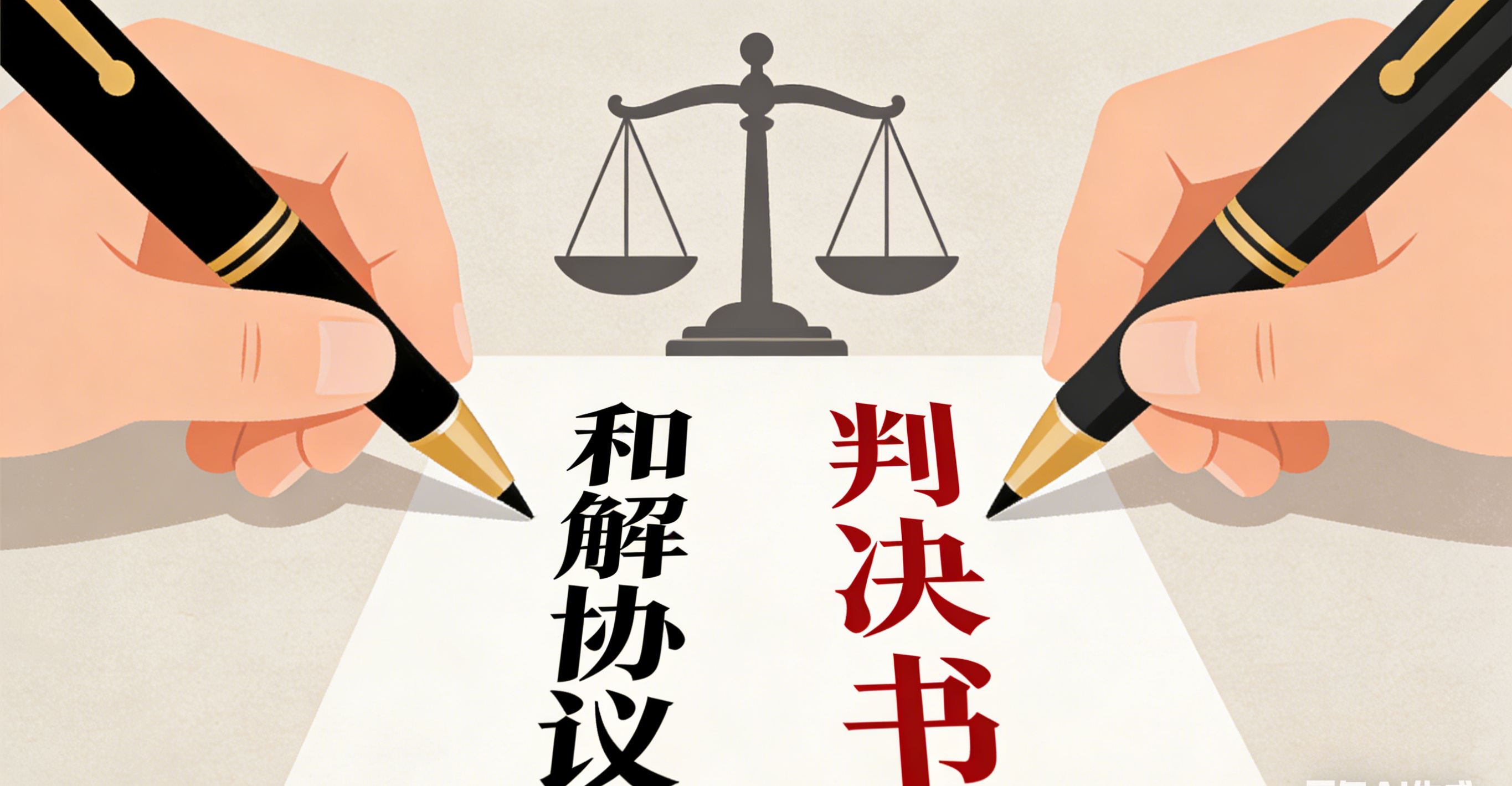
IV. Reconstruction: Making Systems the "Firewall" of the Brand
During the handling of the case, the team did not stop at safeguarding rights in individual cases. We assisted the enterprise in building a long-term protection mechanism at the institutional level:
-
Quarterly Inspection System: Conduct surprise inspections on all franchise stores every quarter, focusing on verifying the compliance of trademark use and product channels; -
Online Monitoring System: Develop a data verification platform for franchise stores to capture sales records in real time, and the system automatically compares abnormal transactions; -
Compliance Score Assessment: Incorporate trademark use norms into the annual assessment indicators of franchise stores, and link the scores with renewal qualifications and floating management fees.
V. Achievements: Infringement Complaints Down by 70%, New Store Growth Up by 20%
One year after the operation of the mechanism:
-
**The number of brand infringement complaints decreased by 75% year-on-year**, and consumer complaints almost disappeared; -
**The number of newly opened stores increased by 20% year-on-year**, and franchisees' confidence rebounded significantly; -
The sales volume of directly-operated stores recovered and exceeded the historical level, and the brand reputation was gradually restored.
From a brand crisis to a set of long-term systems, this jewelry enterprise has defended its core asset with a successful "trademark defense battle".
-
- Cross-border Contract Restructuring Recovers Massive Losses for Foreign Trade Companies
small and medium-sized textile fabric export enterprise (hereinafter referred to as "our client") has been deeply engaged in the EU market for many years, mainly engaged in the export of cotton, linen and chemical fiber fabrics, with an annual export volume of about 12 million US dollars.182025-12 -
- Environmental Compliance Renovation Revitalizes Chemical Enterprises
A small and medium-sized fine chemical enterprise was ordered to suspend production for rectification by the environmental protection department due to excessive waste gas emissions, facing a daily fine of 20,000 yuan.292025-10